

Road Sweeping Machine: Key to Sustainable Road Maintenance
Mar 15, 2026
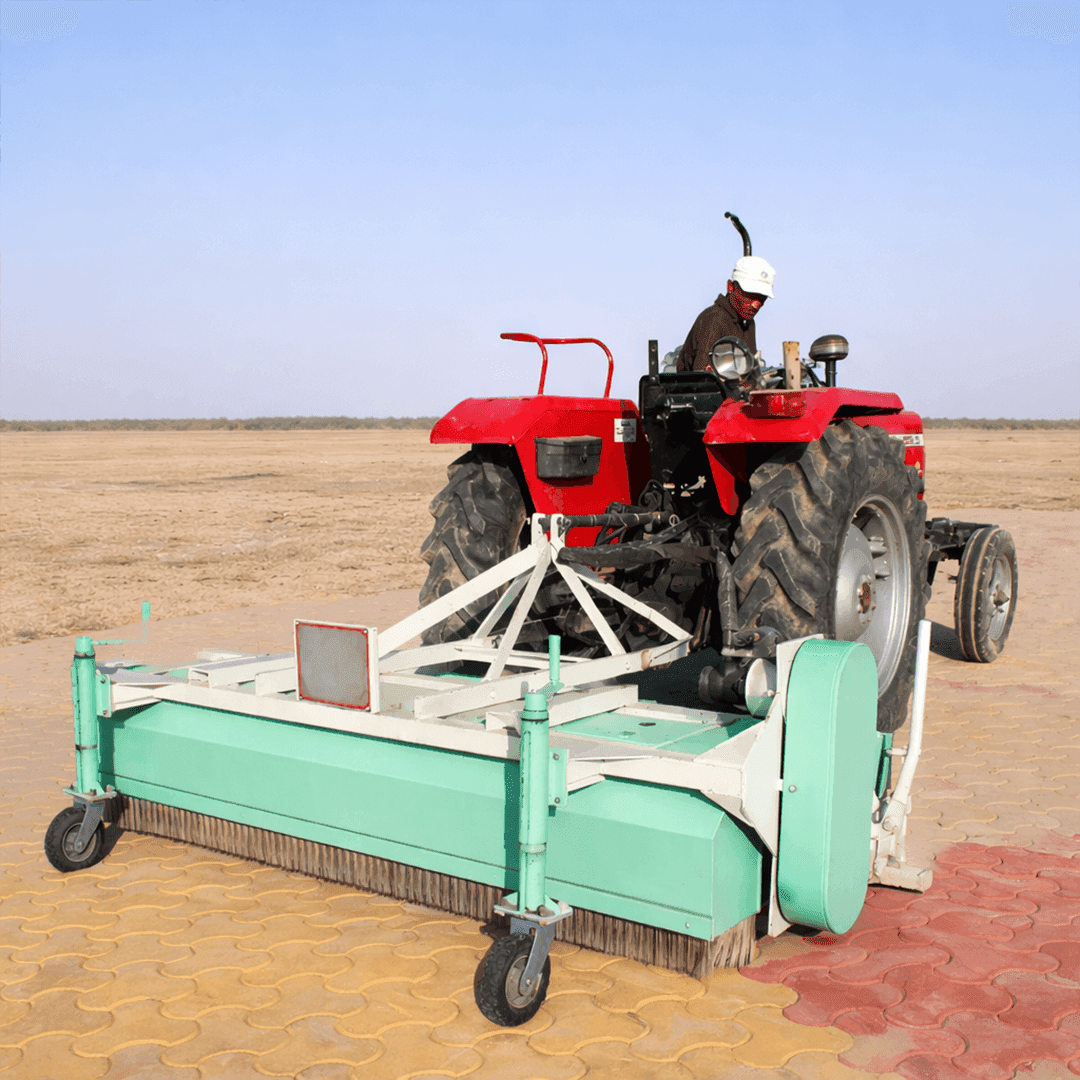
Traditional road sweeping with brooms and wheelbarrows has become inefficient in dealing with dust and debris amid the growing vehicle traffic, expanding construction activity, and stricter environmental regulations demands. Modern road sweeping machines do far more than clean streets; they help protect pavement surfaces, reduce pollution, and support long-term sustainable road maintenance programs.
Let's explore the environmental benefits of road sweeper equipment and its various applications.
Why Sustainable Road Maintenance Matters
Road maintenance traditionally focused on repairing visible damage such as potholes and cracks. However, modern infrastructure management recognizes that preventive maintenance is far more effective and economical.
One of the most overlooked contributors to road deterioration is accumulated debris and dust.
Road surfaces constantly collect:
- Sand and fine dust particles
- Gravel and construction debris
- Oil residues and chemicals
- Organic waste and litter
When vehicles drive over this material, the particles behave like abrasive agents, gradually wearing down asphalt surfaces. Over time, this accelerates pavement damage, leading to cracks, potholes, and expensive resurfacing projects.
At the same time, these particles contribute heavily to urban air pollution. Studies across major Indian cities under the National Clean Air Programme (NCAP) show road dust contributes 20–60% to PM10 concentrations, with specific findings of 20–52% in 17 non-attainment cities. Without effective cleaning, this dust continuously re-enters the air as traffic passes.
Sustainable road maintenance, therefore, requires a systematic approach to removing debris before it damages infrastructure or enters the urban environment.
Sustainability Benefits of Modern Road Sweeping Equipment
Environmental sustainability has evolved from a marketing consideration into an operational requirement for municipal and industrial road maintenance programs. Modern road sweeper machines deliver measurable environmental benefits across four critical areas.
Water Conservation Through Recycling Systems
Older road sweeper machines employed constant water flow for dust suppression, with typical daily operations consuming 1,000–1,500 liters. Modern systems incorporating water recycling reduce this consumption by 50–70% through a closed-loop process. The sweeper collects used water in a separate tank, filters out debris, applies basic treatment, and recirculates it back to spray nozzles.
Air Quality Improvement Through Dust Control
Road sweeping equipment plays a critical role in urban air quality improvement. Regular mechanical sweeping with high-efficiency vacuum systems demonstrably reduces this contribution when implemented properly.
However, effectiveness requires adherence to three critical factors: sweeping must occur before traffic peaks when dust is most manageable, operations must employ proper suction rather than mere brushing, and frequency must prevent re-accumulation between sweeps.
Preventing Water Pollution Through Source Control
During monsoon season, initial heavy rainfall washes accumulated dust, chemicals, oil residues, and debris from road surfaces into storm drains. This contaminated runoff flows untreated into rivers, lakes, and eventually oceans, carrying pollutants that harm aquatic ecosystems.
Regular sweeping with road cleaning machines removes these potential pollutants before rainfall mobilizes them. Municipalities implementing comprehensive sweeping programs report over 50% reductions in stormwater pollutant loads. For coastal cities or areas near sensitive water bodies, proactive pollution prevention through sweeping is a vital environmental responsibility, not merely an optional improvement.
Extending Pavement Life Through Abrasion Prevention
Regular sweeping delivers a less obvious but economically significant benefit through pavement life extension. Abrasive particles, including sand, gravel, and construction debris, act like sandpaper when ground into asphalt surfaces by vehicle tires. This grinding action progressively wears away the binder holding aggregate together, accelerating pavement deterioration.
Consistent sweeping removes these abrasives before they cause damage. Industry sources have confirmed that properly maintained roads, including regular sweeping, can make the roads last significantly longer. Long-lasting roads translate to less spending of natural resources in reconstruction and patchwork.
Planning A Comprehensive Municipal Road Maintenance Program?
We will help you decide the right road sweeping machine based on road surface types, traffic volumes, budget constraints, and available fuel sources.
Key Components and Functions of Road Sweeper Machines
Modern road sweeping machines incorporate four essential systems that work together to deliver effective cleaning results. Understanding these components helps explain why contemporary equipment significantly outperforms both manual crews and older sweeper designs.
Rotating Brush System
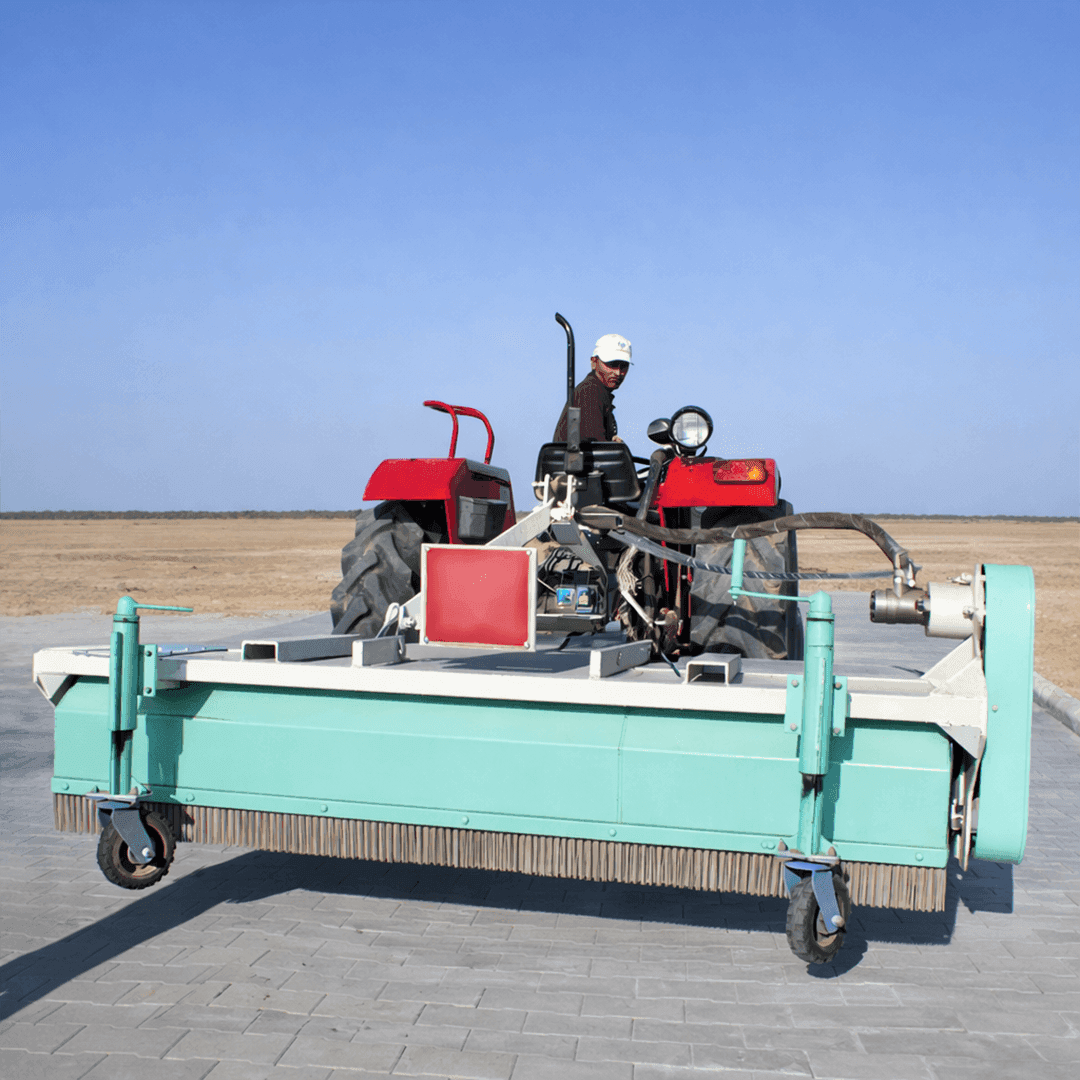
The rotating brush system forms the mechanical foundation of every road sweeper machine. Side road sweeping machine brushes sweep debris from curbs and edges toward the center collection path. Simultaneously, the main broom lifts material from the road surface into the collection hopper. These main brooms typically utilize either cylindrical or disc-type configurations, with each design offering specific advantages for different applications.
Brush material selection directly impacts both cleaning performance and surface protection. Wire brushes effectively handle heavy industrial debris but risk damaging delicate surfaces. Polypropylene or nylon brushes provide gentler cleaning suitable for most urban applications.
Vacuum Suction System
The suction system provides the critical second stage of material collection. High-efficiency vacuum systems capture not only visible debris but also fine dust particles that manual sweeping would merely redistribute into the air. Vacuum-assisted sweeping is essential for both improving air quality and achieving thorough cleaning results that meet modern environmental standards.
Water Spray Dust Suppression
Water spray systems address dust suppression, which becomes non-negotiable in Indian operating conditions characterized by dry weather and high ambient dust levels. These systems apply water just ahead of rotating brushes to prevent dust clouds during sweeping operations. Advanced recirculation systems filter and reuse water, thereby reducing consumption by 40–60% compared to older single-pass designs while maintaining effective dust control.
Collection Hoppers
Collection hoppers provide temporary storage for swept material before disposal. Hopper capacity varies widely depending on machine size and application:
| Machine Type | Hopper Capacity |
|---|---|
| Compact sweepers | 0.5–1 m³ |
| Municipal sweepers | 1–3 m³ |
| Highway sweepers | 4–8 m³ |
Proper hopper design incorporates features that prevent material spillback onto cleaned surfaces when machines turn or encounter uneven terrain.
Selecting the Right Road Sweeping Machine Type
Different sweeping applications require different equipment configurations. Understanding the main road sweeping machine types helps buyers match equipment capabilities to their specific operational requirements.
Mechanical Sweepers for Heavy-Duty Applications
Mechanical sweepers utilize rotating brushes to sweep debris into collection hoppers without employing suction systems. This simpler design offers excellent durability and proves particularly effective for construction sites and industrial areas that generate heavy debris.
Mechanical road sweeping machines work well for construction site cleanup after asphalt paving, industrial yards containing coarse material, and budget-conscious municipal operations where fine dust control isn't the primary concern.
Vacuum Sweepers for Urban Applications
Vacuum sweepers combine mechanical brushing with powerful suction to capture both visible debris and fine particulate matter simultaneously. This comprehensive approach makes them the road cleaning machine standard for urban applications where air quality considerations matter significantly.
These machines excel in city streets and residential areas, highways and expressways, airports and ports, and any application where environmental compliance requires thorough dust control. Vacuum-powered sweeping helps capture PM10 and PM2.5 particles, causes minimal dust dispersion during operation, and delivers superior final cleaning results.
Hydraulic Road Sweepers for Consistent Performance
Hydraulic road sweepers employ hydraulic systems to power brushes, vacuum components, and hopper dump mechanisms. This hydraulic approach provides more consistent power delivery and superior operator control compared to mechanical or belt-driven systems.
The advantages prove significant: consistent brush pressure across varying terrain maintains cleaning quality regardless of road conditions, operators gain better control over cleaning intensity for different debris types, maintenance requirements decrease compared to complex mechanical linkages, and the equipment proves suitable for both highway and urban applications. These benefits explain why hydraulic road sweepers increasingly dominate the professional sweeping market despite their higher initial cost.
Effective Road Sweeping: Protecting Infrastructure & Ecosystem
Road sweeping machines play a vital role in sustainable infrastructure management. Regular sweeping removes debris that would otherwise damage pavement surfaces, pollute waterways, and degrade urban air quality. By preventing these problems at their source, sweeping programs extend the life of roads while reducing environmental impact.
For municipalities, contractors, and industrial operators, road sweeping equipment represents more than a cleaning tool. It is a strategic investment in infrastructure protection, environmental responsibility, and long-term operational efficiency.
Atlas Technologies has manufactured road broomers, hydraulic road sweepers , and road cleaning machines for over 35 years. Our equipment operates successfully in environments ranging from Himalayan highways to coastal industrial facilities, proving its durability across diverse environments.
Need Road Sweeping Solutions For Municipal Or Industrial Applications?
Atlas Technologies manufactures hydraulic road sweepers and road broomer machines specifically designed for tough operating conditions.
Frequently asked questions.
What distinguishes mechanical sweepers from vacuum sweepers in practical operation?
+How frequently should roads receive sweeping for effective maintenance results?
+Do electric road sweepers provide adequate performance for highway applications?
+How does regular road sweeping measurably extend pavement lifespan?
+
The Strategic Guide to RMC...
Evaluating RMC plant cost, land requirements, and configurations for 2026?...
Why Filipino Contractors Choose Atlas...
Atlas Technologies combines world-class Indian engineering with dedicated local support...
Why Counterflow Asphalt Plants are...
Higher energy prices and tougher carbon rules make counterflow asphalt...
The Rise of RAP (Recycled...
Recycled asphalt pavement (RAP) has evolved from a green initiative...