

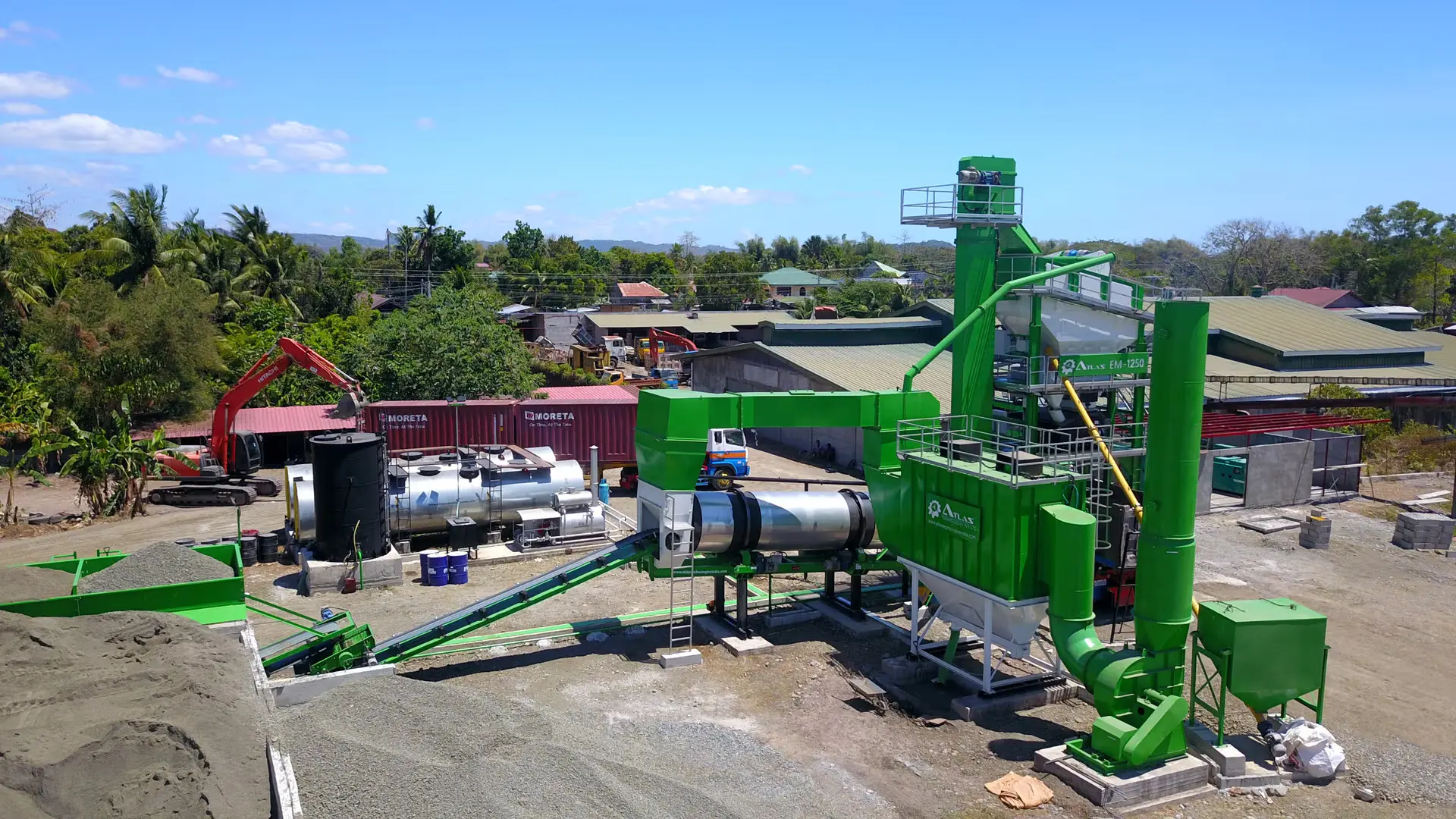
Roads, flyovers, buildings, and other infrastructure projects depend on a steady supply of construction materials. Whether a project requires ready-mix concrete or hot mix asphalt, the quality and consistency of that material begin at the production facility.
A batching plant measures, proportions, and processes raw materials according to a defined mix recipe. The same principle applies to concrete and asphalt production: individual materials are handled in controlled quantities so the final mix meets the application's requirements.
However, concrete and asphalt are produced through different processes, and the type of plant required depends on the material being produced, the required output, project duration and site conditions.
This article explains what a batching plant is, the main types of batching plants, and how concrete and asphalt plants work.
What Is a Batching Plant?
A batch plant is a facility that measures and combines construction materials in predetermined proportions to produce a consistent mix.
The term is commonly associated with two major categories of equipment:
- Concrete batching plants, which produce concrete by combining aggregates, cement, water and admixtures.
- Asphalt batching plants, which produce hot mix asphalt by combining heated aggregates, bitumen, mineral filler and, where required, additives.
Although the materials and production processes differ, both systems rely on controlled proportioning. Each material must be supplied in the required quantity and introduced into the production process in the correct sequence.
Modern plants use load cells, sensors and automated control systems to manage material quantities and production cycles. PLC-based automation can also help operators monitor the process and maintain consistency across repeated batches.
The exact configuration varies from one plant to another, but the objective remains the same: produce the required construction mix consistently and at the output needed for the project.
Types of Batching Plant
Batching plants can be classified in different ways. The most useful distinction for contractors and project teams is based on:
- The type of material being produced
- The structural configuration and mobility of the plant
Types by Mix Produced
1. Concrete Batching Plant
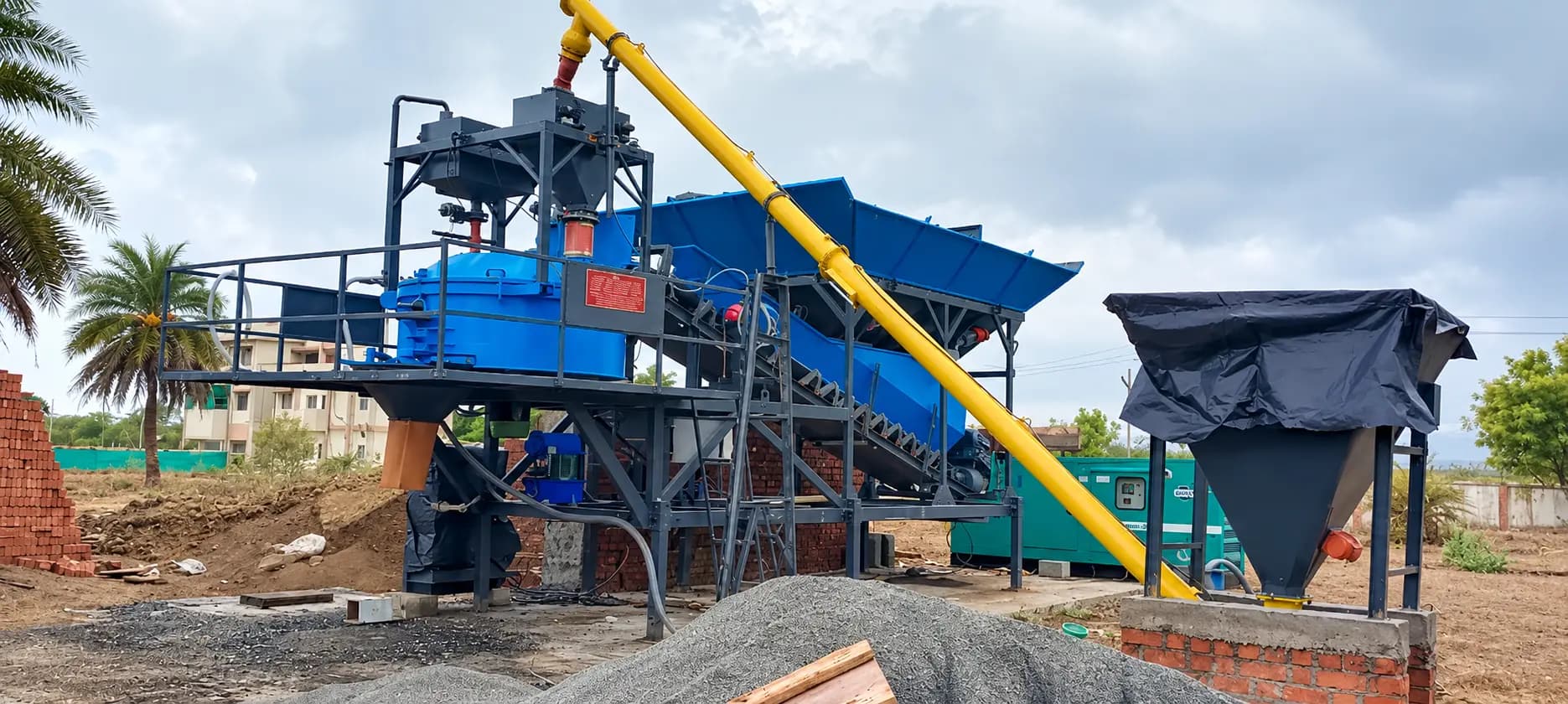
A concrete batching plant produces concrete by combining materials such as:
- Coarse and fine aggregates
- Cement
- Water
- Admixtures
- Supplementary cementitious materials, where required
These plants are used for applications including:
- Ready-mix concrete production
- Building construction
- Bridges and flyovers
- Highways
- Metro and infrastructure projects
- Precast concrete production
The plant configuration can vary depending on production capacity, available space, required mobility, and the type of concrete being produced.
2. Asphalt Batching Plant
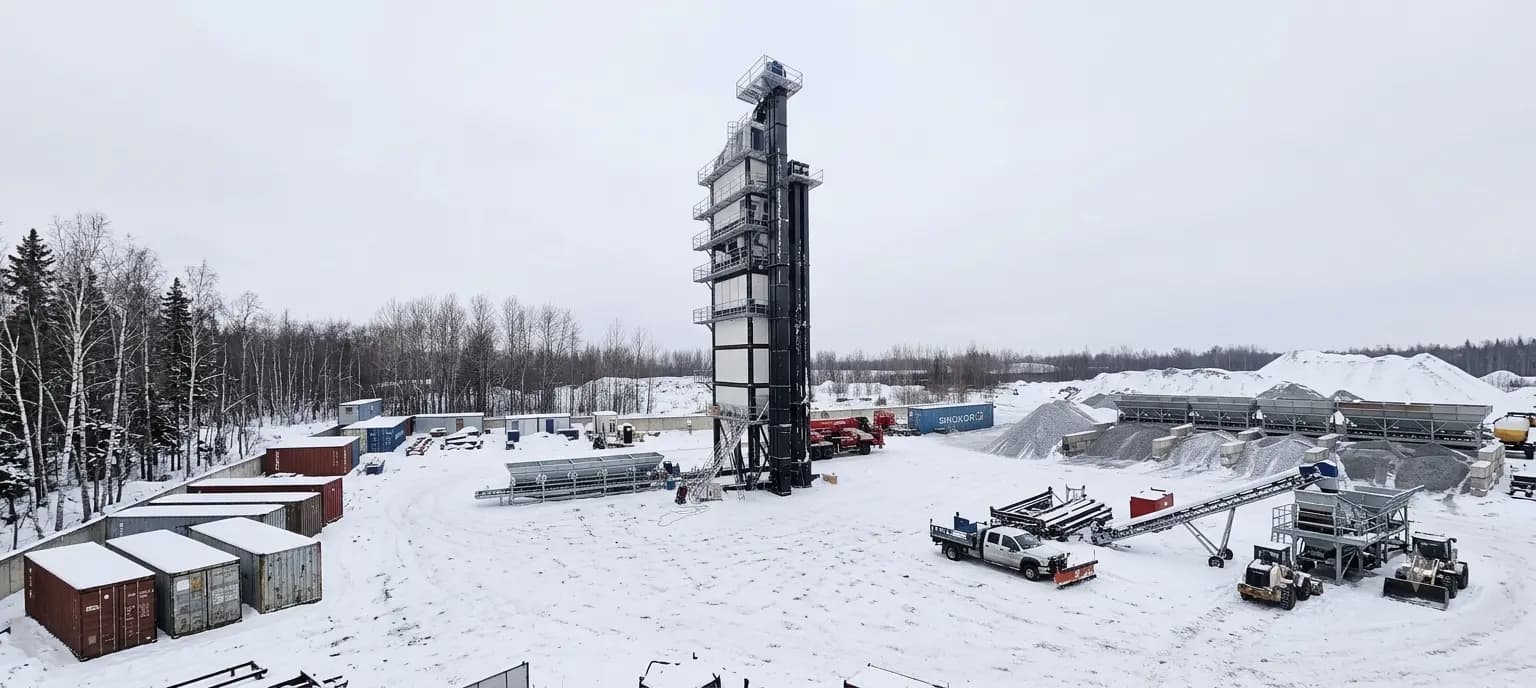
An asphalt batching plant produces hot mix asphalt for road construction and surfacing applications.
The main materials typically include:
- Aggregates of different sizes
- Bitumen
- Mineral filler
- Additives, where required
Before mixing, aggregates are dried and heated to the required temperature. They are then accurately proportioned and mixed with bitumen and other materials.
Asphalt batch plants are commonly used for:
- Highway construction
- Road resurfacing
- Airport runways
- Industrial roads
- Large-scale road infrastructure projects
Types by Structural Configuration
Stationary Batching Plant
A stationary plant is installed at a fixed location and is generally selected for projects with long-term or continuous material requirements.
It is commonly suitable when:
- The project has a long duration
- Production demand is continuous
- Frequent relocation is not required
- Higher output capacity is needed
Stationary configurations can be used for both concrete and asphalt production.
Related: Stationary Asphalt Batching Plant | Stationary Concrete Batching Plant
Mobile Batching Plant
A mobile batching plant is designed for easier relocation between project sites. Depending on the design, major components may be mounted on a chassis or configured for faster transportation and installation.
Mobile plants are particularly useful for contractors working on:
- Projects across multiple locations
- Remote construction sites
- Shorter-duration projects
- Projects where production needs to move with the work site
For concrete production, mobile batching plants can reduce the effort involved in shifting production equipment between locations.
Related: Mobile Asphalt Batching Plant | Mobile Concrete Batching Plant
Portable Batching Plant
A portable batching plant is a compact configuration designed for easier transportation, installation and use in locations where mobility and site accessibility are important.
They can be useful where:
- Available site space is limited
- Transportation logistics are a major consideration
- The project is located in a remote area
- Equipment needs to be moved more frequently
The actual capacity and configuration depend on the manufacturer and application.
How Does a Concrete Batching Plant Work?
The basic batching plant working process for concrete involves storing, measuring, feeding and mixing materials according to a programmed mix design.
Here is how the process generally works.
Step 1: Aggregate Storage
Aggregates of different sizes are stored in separate bins.
Step 2: Aggregate Weighing
The aggregates are weighed according to the required batch quantity. Load cells are commonly used to measure the material accurately before it moves to the next step.
Step 3: Feeding
Based on the selected mix design, the required quantity of each aggregate is discharged and transferred through a conveyor or another material handling system.
Step 4: Cement, Water and Admixture Dosing
Cement is stored separately, usually in a silo, and weighed before being introduced into the production process. Water and chemical admixtures are also measured according to the mix design. Depending on the plant configuration, these materials may be introduced at different points in the batching and mixing cycle.
Step 5: Mixing
The measured materials are transferred into the mixer. The mixer blends the aggregates, cement, water and admixtures for a predetermined mixing cycle. The type of mixer can vary depending on the required concrete application and plant configuration.
Common options include:
- Twin-shaft mixers
- Planetary mixers
- Pan mixers
Once the mixing cycle is complete, the concrete is discharged for transportation or further use.
Step 6: Concrete Discharge
In ready-mix operations, the finished concrete is typically discharged into a transit mixer truck. For other applications, the concrete may be transferred directly to the next stage of the production or construction process.
How Does an Asphalt Batching Plant Work?
An asphalt batch plant follows a different process because the aggregates must first be dried and heated before mixing.
A typical asphalt production cycle includes the following stages.
Step 1: Cold Aggregate Feeding
Aggregates of different sizes are stored in separate cold feeder bins. The material is discharged at controlled rates onto a conveyor system. The feed rate is adjusted according to the mix requirements and production output.
Step 2: Drying and Heating
The aggregates are transferred into a rotary drying drum. A burner provides the heat required to remove moisture from the aggregates and raise their temperature for the mixing process. The exact operating temperature depends on factors such as the mix specification, material characteristics and production requirements.
Step 3: Screening and Hot Aggregate Storage
After leaving the drying process, the heated aggregates are lifted to a screening system. The aggregates are separated into different size fractions and stored temporarily in hot bins. This allows the plant to select and weigh the required quantity of each aggregate size for the mix.
Step 4: Aggregate Weighing
The required aggregate fractions are discharged from the hot bins into a weighing system. Each batch is prepared according to the selected mix recipe.
Step 5: Bitumen and Filler Addition
Bitumen is measured separately and introduced into the mixing process. Mineral filler and other additives may also be added, depending on the asphalt mix specification.
Step 6: Mixing
The materials are combined inside the pugmill mixer. The mixing process coats the heated aggregates evenly with bitumen and distributes the filler and other materials throughout the batch.
Step 7: Discharge and Storage
Once mixing is complete, the plant discharges the hot mix asphalt. Depending on the plant configuration and project requirements, it may be:
- Loaded directly into trucks
- Transferred to a storage silo
- Supplied for immediate transportation to the paving site
Get the Right Plant to Meet Your Project's Production Targets
Atlas Technologies helps you choose the right concrete or asphalt batching plant based on your required output, project duration, site conditions and mobility requirements.
Discuss Your Project →Concrete Batching Plant vs Asphalt Batching Plant
Although both plants use controlled material proportioning, their production processes are different.
| Feature | Concrete Batching Plant | Asphalt Batching Plant |
|---|---|---|
| Final product | Concrete | Hot mix asphalt |
| Main materials | Aggregates, cement, water and admixtures | Aggregates, bitumen, filler and additives |
| Heating required | Generally no heating of aggregates during standard batching | Aggregates must be dried and heated |
| Main production process | Measuring and mixing | Drying, heating, screening, weighing and mixing |
| Typical applications | Buildings, infrastructure, RMC and precast | Roads, highways, airports and industrial paving |
Select the plant type based on the construction material the project requires, rather than treating all batching systems as interchangeable.
Which Batching Plant Does Your Project Need?
The right choice depends on the material, capacity, and site conditions. A contractor should evaluate several factors before finalising the equipment.
1. Type of Material Required
The first question is straightforward:
- Does the project require concrete?
- Does it require asphalt?
- Is the plant intended for ready-mix, precast or road construction?
The answer determines the basic plant category.
2. Required Production Capacity
Select capacity based on actual production needs, not maximum possible output alone.
Consider:
- Daily material requirement
- Project duration
- Number of working hours
- Peak production demand
- Expected utilisation of the plant
A plant with insufficient capacity can create production bottlenecks. An oversized plant may also result in unnecessary investment and operating costs if the available workload does not justify it.
3. Project Duration
Long-term projects with continuous production requirements may justify a stationary installation. Projects involving shorter durations or repeated site changes may benefit from a mobile or more easily transportable configuration.
4. Site Conditions and Available Space
The installation site should be evaluated for:
- Available land
- Material storage space
- Vehicle movement
- Power availability
- Material access
- Installation and commissioning requirements
These factors can influence both the plant layout and the most suitable configuration.
5. Transportation and Relocation Requirements
Contractors operating across multiple project sites should consider how easily the equipment can be dismantled, transported and reinstalled. This is particularly important for projects in remote locations or regions where transportation logistics add high cost and time.
6. Automation and Control Requirements
Consider the required level of automation.
Control systems can help manage:
- Material quantities
- Production recipes
- Batch records
- Plant operation
- Process monitoring
The right level of automation depends on the size of the operation and the level of production control required.
Choosing the Right Batching Plant Manufacturer in India
When evaluating a batching plant manufacturer in India, contractors should look beyond the quoted plant capacity.
The equipment supplier should also be evaluated on factors such as:
- Experience with the required plant type
- Manufacturing capability
- Available plant configurations
- Customisation options
- Installation and commissioning support
- Operator training
- Availability of spares
- Technical and after-sales support
For projects operating in demanding conditions or remote locations, post-installation support can be as important as the equipment itself.
The right plant is not simply one that meets the production requirement on paper. It should also suit the project's operating conditions, logistics, and long-term requirements.
Atlas Technologies Batching Plant Solutions
Atlas Technologies manufactures equipment for road construction, asphalt production and concrete production, including concrete batching plants and asphalt batch mix plants .
With more than 35 years of experience and installations across multiple markets, the company offers equipment designed for different project requirements, capacities and operating conditions.
Atlas also provides support across installation, commissioning and equipment operation, helping contractors move from plant selection to production with the right configuration for their requirements.
Final Thoughts
A batching plant is a critical part of concrete and asphalt production, but the right equipment depends on far more than the final output capacity.
The material being produced, required production rate, project duration, site conditions, mobility requirements and level of automation should all influence the final decision.
For contractors, understanding how each plant type works makes it easier to specify equipment that fits the project, rather than simply selecting the largest or most familiar configuration.
If you are evaluating a concrete or asphalt batching solution for an upcoming project, speaking with an experienced equipment manufacturer can help you identify the right capacity, configuration and features before making the investment.
Author’s Note
Atlas Technologies Pvt. Ltd. is a road construction equipment manufacturer based in Mehsana, Gujarat, India. Founded in 1986, the company designs and manufactures asphalt batch mix plants, drum mix plants, counter flow plants, wet mix macadam plants, concrete batching plants and road machinery for highway contractors, infrastructure developers and export buyers worldwide.
With over 2,500 installations across 50+ countries and 38 years of manufacturing experience, Atlas Technologies serves projects ranging from national highway construction in India to remote island deployments and large-scale export contracts across Africa, Southeast Asia, the Middle East, East Europe and Oceania Countries.
www.atlastechnologiesindia.com

Mr. Nilesh Patel
Managing Director
Get the Right Plant to Meet Your Project's Production Targets
Atlas Technologies helps you choose the right concrete or asphalt batching plant based on your required output, project duration, site conditions and mobility requirements.
Discuss Your Project →Frequently asked
questions.
Dambar Plant vs Drum Mix...
A dambar plant is the commonly used Indian term for...
India Asphalt Pavers Market: Growth,...
India's asphalt pavers market is growing, but equipment decisions shouldn't...

Road Sweeper Machine vs Hydraulic...
Learn the difference between mechanical road sweepers and hydraulic broomers...
Batching Plant: What It Is,...
A batching plant measures, proportions, and processes raw materials according...