

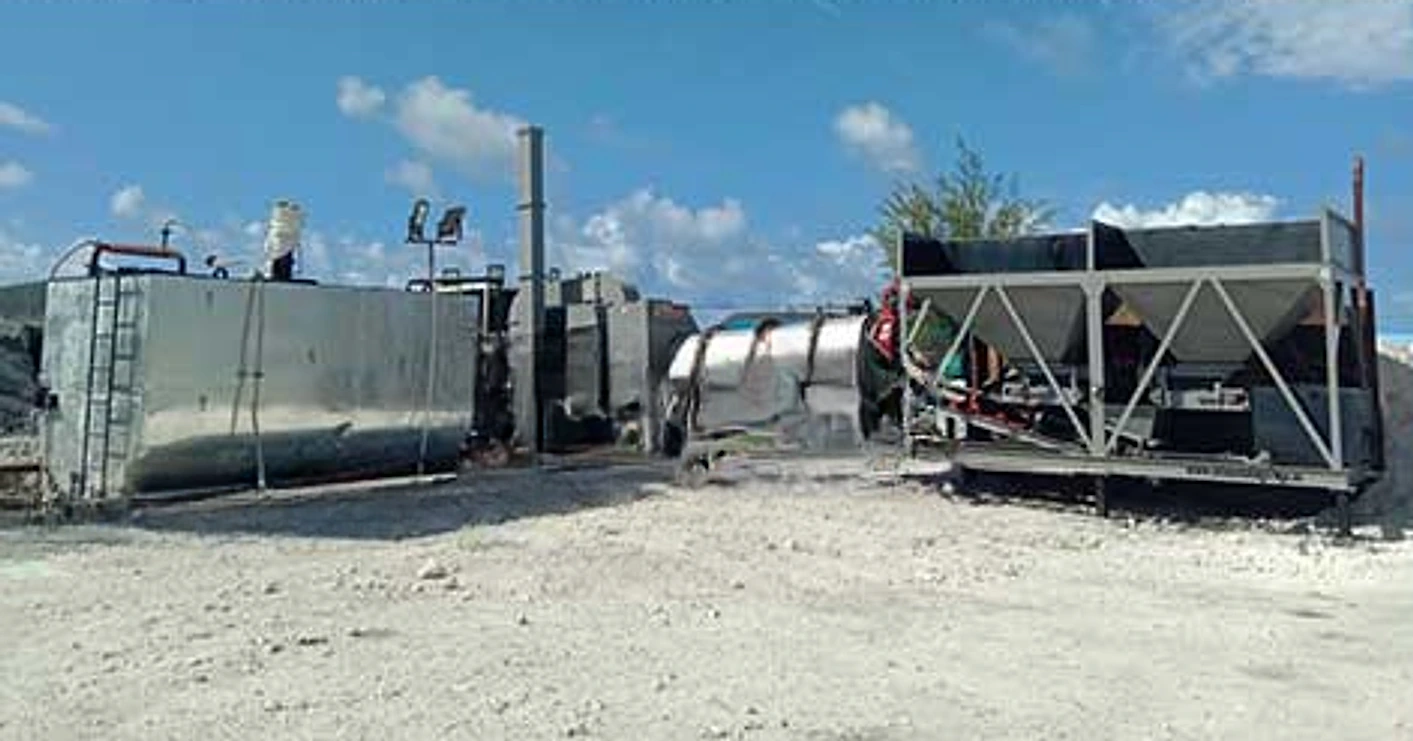
When you buy an asphalt mixing plant from an overseas manufacturer, the biggest mistake is starting with the plant model.
Start with the project.
Your required output, project duration, site location, transport route, available fuel and future equipment plans should determine the plant you buy. This becomes particularly important across the Caribbean and Latin American markets, where a plant may need to travel from an international port to an island project, a remote road corridor or a site with restricted inland access.
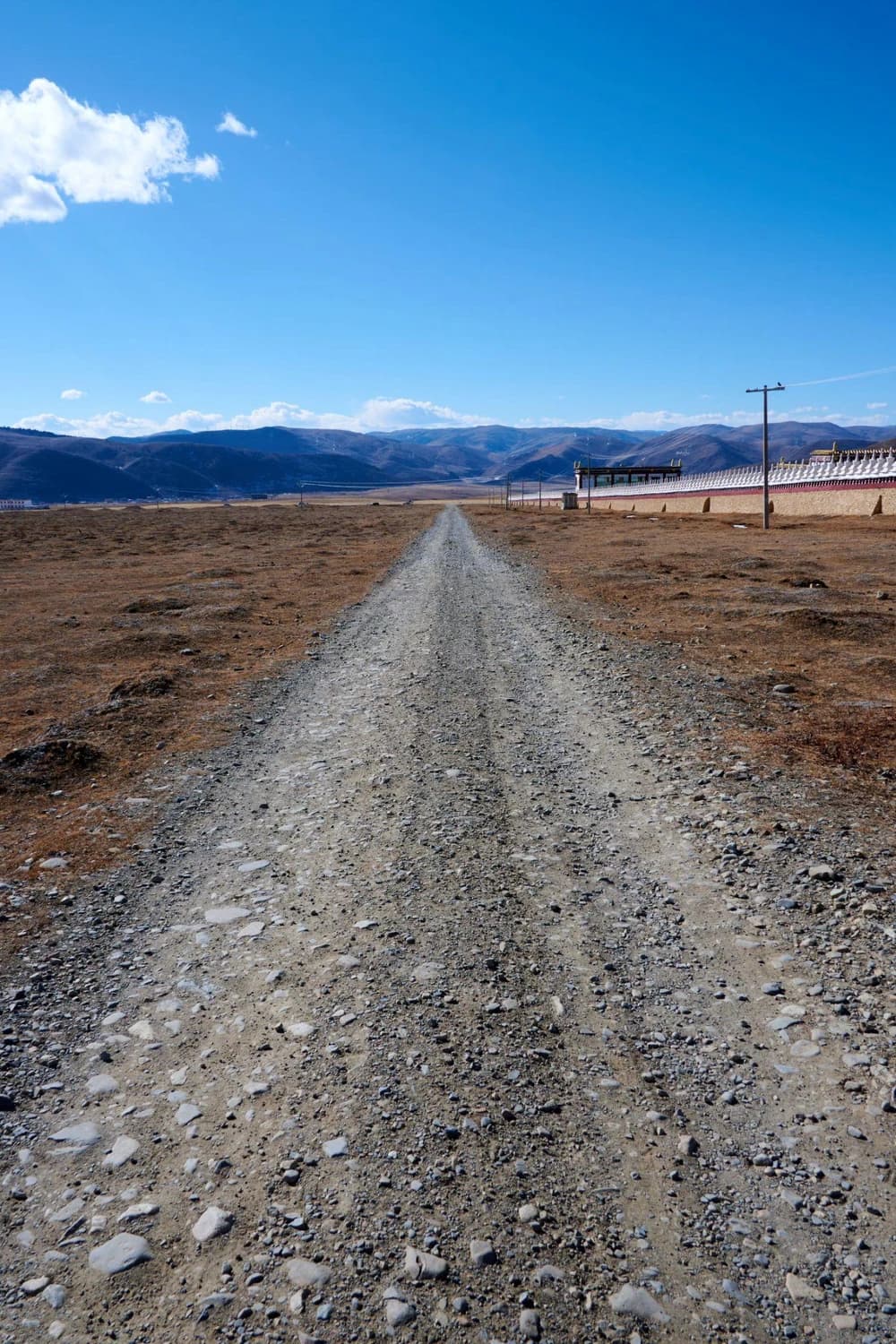
The region also has substantial road infrastructure requirements. A World Bank assessment of Latin America and the Caribbean notes that more than 67% of roads in the region are unpaved (Page 105), highlighting the scale of ongoing transport infrastructure development and the need for continued investment in road networks.
For a contractor evaluating an imported asphalt plant, the buying decision should come down to a series of practical questions.
1. What Production Capacity Does Your Project Actually Need?
The first specification to establish is not the highest capacity available. It is the production capacity your paving operation can realistically use.
Start by calculating:
- Required asphalt quantity per day
- Planned paving hours
- Total project duration
- Peak production requirements
- Number of projects the plant may serve
For example, a project requiring high daily asphalt output may not necessarily need the highest-capacity plant if paving is spread across a longer operating window. Aggregate supply, truck availability and paving operations also need to keep pace with plant production.
The right capacity is therefore based on the complete production and paving cycle.
Once that requirement is clear, you can decide on the plant configuration.
2. Should You Buy a Stationary or Mobile Asphalt Plant?
This decision should be based primarily on how long the plant will stay at one location and what you plan to do with it after the current project.
| Buying Situation | More Suitable Option | What to Check |
|---|---|---|
| Long-term production at one site | Stationary asphalt plant | Site infrastructure and installation requirements |
| Plant serving multiple nearby projects | Stationary or relocatable configuration | Transport and future expansion plans |
| Shorter-duration contracts | Mobile asphalt plant | Mobilisation and setup requirements |
| Regular movement between project sites | Mobile or modular configuration | Module dimensions, weights and transport requirements |
| Restricted transport access | Modular export-oriented configuration | Port handling and inland transport route |
A mobile asphalt plant should not be selected simply because the project may move.
Before buying, ask how the plant is actually relocated. Check the number of transportable modules, their dimensions and weights, lifting requirements and the amount of site work needed before production can begin again.
Related: Stationary Asphalt Batch Plant and Mobile Asphalt Batch Plant
3. Can the Plant Actually Reach Your Project Site?
For an imported plant, this question should be answered before the equipment enters production at the factory.
The journey does not end at the destination port.
Review the complete route:
- Port handling capability
- Inland road access
- Bridge and weight restrictions
- Road width and turning space
- Terrain
- Oversized-load requirements
- Distance from the port to the project site
These factors may influence the configuration you buy.
A plant designed around large transport modules may work well on one project but create unnecessary logistics challenges where equipment must move through narrow roads or restricted access routes.
Also review the operating site itself. There should be sufficient space not only for the asphalt mixing plant, but for:
- Aggregate stockpiles
- Bitumen storage
- Fuel storage
- Cold aggregate feeding
- Truck movement
- Finished mix handling
- Equipment assembly
- Maintenance access
For example, a 20-30 TPH mobile drum mix plant for an island project in the Maldives was packed into two 40 ft containers and one 20 ft container for overseas delivery while the 2 × 200 TPH double drum plants for Zanzibar were designed to fit 40 ft container dimensions.
4. Will the Plant Suit Your Local Operating Conditions?
An imported plant should be specified around the conditions at the project site.
Three areas deserve particular attention.
Power
Confirm:
- Voltage
- Frequency
- Phase requirements
- Power stability
- Generator requirements, if applicable
Electrical specifications should be finalised before manufacturing.
Fuel
Confirm what fuel is reliably available throughout the project and select the burner and heating system accordingly.
Consider:
- Availability
- Supply consistency
- Storage requirements
- Operating costs
- Burner compatibility
Aggregate
Review:
- Available aggregate sizes
- Gradation
- Moisture levels
- Supply consistency
- Stockpile capacity
Aggregate moisture can have a direct effect on drying requirements and fuel consumption. This should be considered when assessing the dryer and burner rather than assuming rated plant performance will remain unchanged under all material conditions.
5. What Should You Compare Beyond Plant Capacity?
Two plants with the same rated output can differ significantly in equipment scope and operating suitability.
Before comparing quotations, review the complete specification.
| What to Compare | Why It Should Influence the Buying Decision |
|---|---|
| Rated output | Must match realistic production demand |
| Cold aggregate bins | Should suit required aggregate fractions and production flow |
| Dryer capacity | Affects aggregate heating and production continuity |
| Burner configuration | Must suit available fuel and operating requirements |
| Bitumen storage | Should support planned production and supply schedules |
| Control system | Influences production monitoring and plant operation |
| Dust collection | Must suit operating and applicable project requirements |
| Finished mix storage | Can support coordination between production and paving |
| Transport modules | Critical for shipping and inland movement |
| Installation scope | Determines what work remains at the project site |
The objective is not to identify the plant with the longest specification sheet.
It is to identify the configuration that fits your project without paying for equipment you do not need or discovering missing requirements after shipment.
6. What Exactly Is Included in the Supplier’s Quotation?
This is one of the most important questions in an international equipment purchase.
Ask for a detailed supply scope covering:
- Main plant equipment
- Bitumen storage and handling
- Electrical systems
- Control systems
- Dust collection
- Finished mix storage, where applicable
- Accessories
- Commissioning spares
- Installation supervision
- Operator training
Do not compare quotations only by total price or plant capacity.
A lower-priced asphalt plant for sale may have a different equipment scope, support package or installation requirement.
The more useful comparison is:
What will I have when the plant arrives, and what else will I need before production can begin?
7. How Will the Plant Be Supported After Shipment?
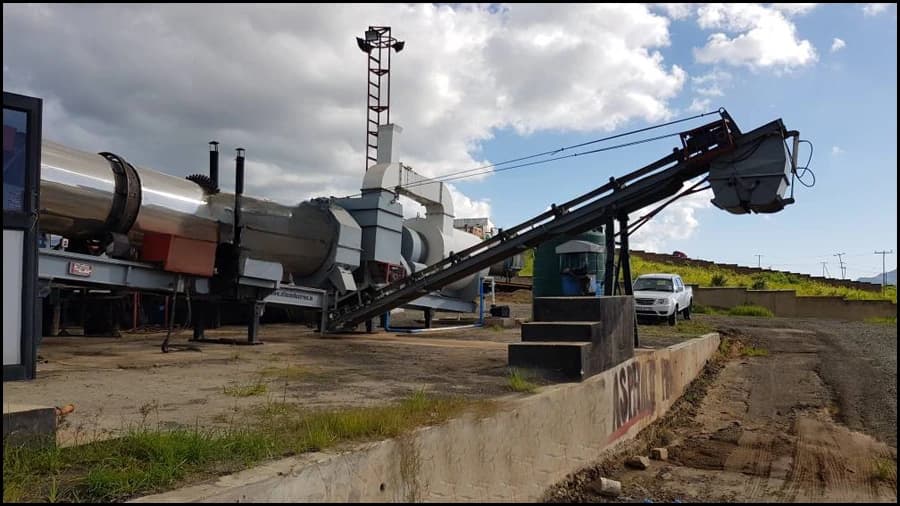
The buying decision should include a support plan.
Before placing the order, clarify:
- Which commissioning spares are recommended
- Which wear parts should be stocked
- How spare parts are identified and ordered
- How replacement parts are shipped internationally
- What remote technical support is available
- Whether installation and commissioning support is provided
- What operator training is included
For an overseas project, a missing component can cause a longer interruption than the value of the part itself would suggest.
Planning a practical spare-parts package before shipment can reduce the risk of waiting for essential components after production has started.
8. Do You Need Other Road Construction Equipment?
The asphalt plant should be assessed as part of the wider paving operation.
Depending on the project, you may also require:
- A bitumen sprayer for prime or tack coat application
- Aggregate handling equipment
- Bitumen storage and pumping systems
- A concrete batching plant for kerbs, drainage structures and associated civil works
The objective is not to buy every machine from one supplier.
It is to make sure the equipment supporting the road construction sequence is planned around the same project schedule.
Why Source an Asphalt Plant From India?
India has an established manufacturing base for road construction equipment and a large domestic market for asphalt production machinery.
For an international buyer, however, country of origin should not be the deciding factor by itself.
Evaluate the manufacturer on:
- Plant suitability for your project
- Manufacturing capability
- Export experience
- Ability to configure the equipment for local requirements
- Shipping and packaging capability
- Installation support
- Spare-parts planning
- Technical documentation
Atlas Technologies manufactures and exports asphalt plants, concrete batching plants and related road construction equipment from India. The company’s export experience includes equipment supplied to international project locations, including island markets and other overseas destinations.
The practical advantage of working with an experienced export manufacturer is not simply the ability to ship the equipment. It is the ability to plan the plant, transport configuration and support requirements around the destination project.
Your Pre-Purchase Checklist
Before placing an order, you should have clear answers to these questions:
- What hourly and daily output does the project require?
- How long will the plant remain at the current location?
- Will it serve future projects?
- Do you need a stationary, mobile or modular configuration?
- Can the largest plant modules reach the project site?
- Does the electrical system match local requirements?
- What fuel will the burner use?
- What aggregate conditions will the plant handle?
- How much bitumen storage is required?
- What exactly is included in the quotation?
- What installation and commissioning support is available?
- Which spare parts should be stocked before production begins?
If these questions are answered before the purchase order is placed, the plant selection becomes much easier to evaluate around the realities of the project.
Author’s Note
Atlas Technologies Pvt. Ltd. is a road construction equipment manufacturer based in Mehsana, Gujarat, India. Founded in 1986, the company designs and manufactures asphalt batch mix plants, drum mix plants, counter flow plants, wet mix macadam plants, concrete batching plants and road machinery for highway contractors, infrastructure developers and export buyers worldwide.
With over 2,500 installations across 50+ countries and 38 years of manufacturing experience, Atlas Technologies serves projects ranging from national highway construction in India to remote island deployments and large-scale export contracts across Africa, Southeast Asia, the Middle East, East Europe and Oceania Countries.
www.atlastechnologiesindia.com

Mr. Nilesh Patel
Managing Director
Configure the Plant Around Your Project
Tell us about your project location, required production output, available site conditions and future mobility requirements. We can help you assess an asphalt mixing plant configuration.
Discuss Your Project →Frequently asked
questions.
Asphalt Plant for Caribbean and...
Buying an asphalt plant for the Caribbean or Latin America?...
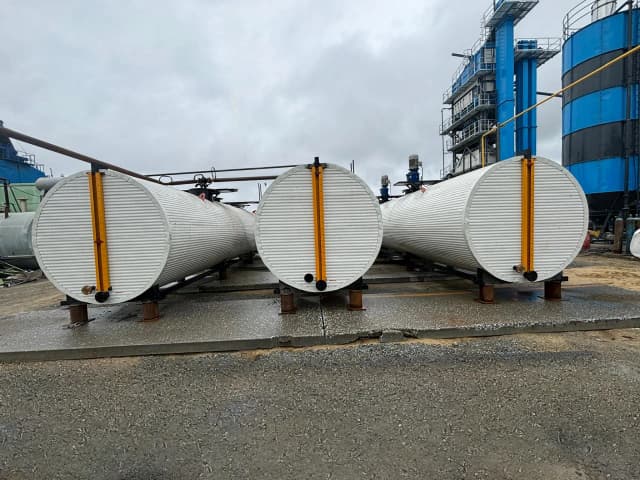
Bitumen Storage Tank: How to...
How to size a bitumen tank for your asphalt plant,...
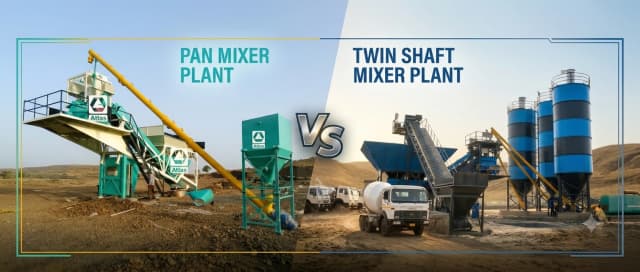
Pan Mixer vs Twin Shaft...
Pan mixer vs twin shaft mixer: how each works, typical...
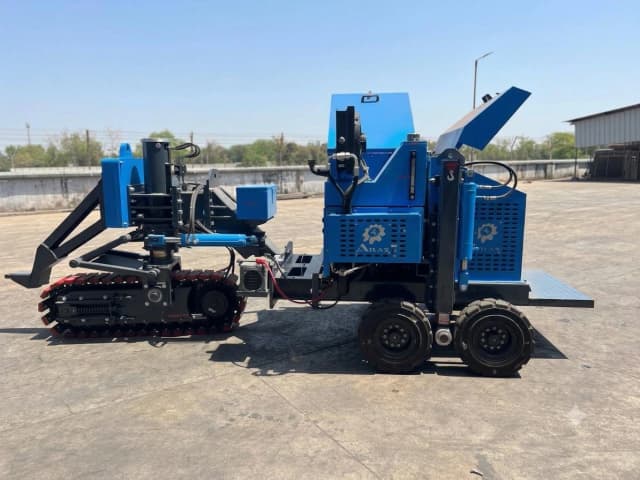
Concrete Paver for Kerb Laying:...
How a concrete kerb laying machine works, compact vs higher-capacity...